At present, the success or failure of Investor Relations performance in any company cannot be dissociated from the execution of its digital strategy. The impact that today's digital agenda has on Investor Relations programs is unquestionable for achieving objectives of greater visibility of the investment proposal, reaching new and larger audiences, developing shareholder loyalty programs, mass dissemination of advanced content, etc. In addition, the availability of metrics to measure the profitability of communication efforts makes the digital dimension an imperative in any good practice. It is difficult to identify a listed company that stands out in the practice of relations with its stakeholders, and that, at the same time, it remains focused on traditional media and channels for the dissemination of relevant information, among other reasons, because institutional investors themselves and also retailers are the first to demand this presence in digital media.
This past summer, the consultancy firm Investis Digital published a global ranking of the 100 companies that, in its opinion, have the best digital presence in terms of the use of their corporate website and associated social networks to promote relationships with their Stakeholders in general, and with their investors in particular. In the top positions, high-capitalization companies such as Shell, BP, Nestlé and BASF stand out, which we had already been on the radar for some years as references, both in the quality of their human teams and investor relations program, and in the use of digital technology.
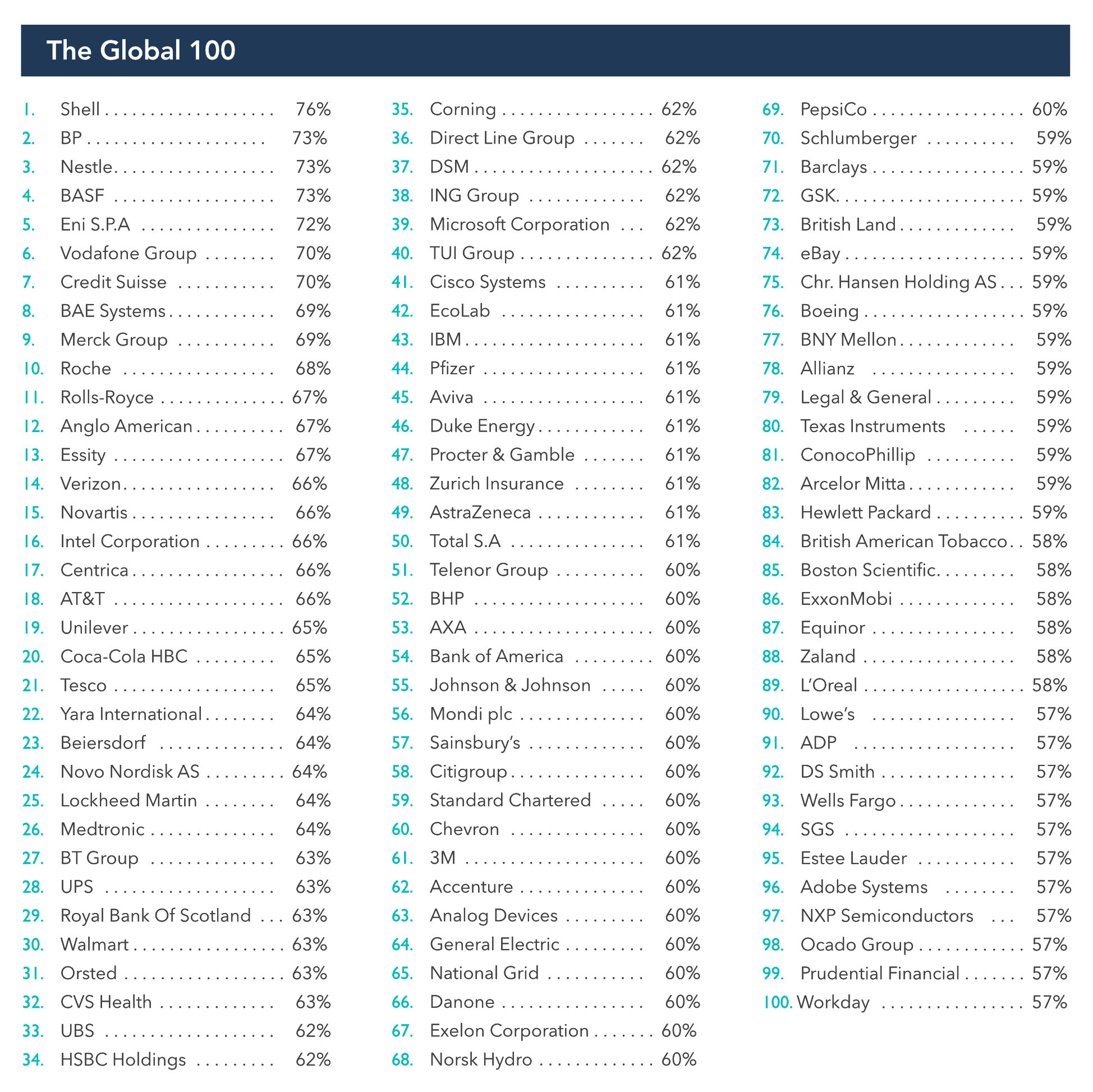
Regardless of the fact that the results of this type of classification carried out by a private entity must always be taken with tweezers, among other reasons, because the scientific method behind the supposed 300 indicators used is not detailed, however, its reading provides interesting aspects such as: knowing the relative positions of companies, what are the main dimensions analyzed by the report in digital matters, and what areas are companies prioritizing in their digital agenda for 2021, which, in short, contributes to highlight this fundamental aspect of the Investor Relations strategy.
The use of investor websites, as well as corporate profiles on social networks, are today more than ever fundamental drivers for addressing the main priorities expressed by those responsible for Investor Relations for 2021, especially in terms of connecting strategy with purpose, energizing and viralizing content developed ad hoc for investors, and of course, to give greater visibility to ESG and sustainability initiatives and policies among their audiences.
However, it is striking in the ranking that there are no Spanish listed companies among the top 100 companies. It seems to us to be an unfair and unobjective situation, considering that among the values of our domestic market there are companies of recognized international prestige in terms of Investor Relations, such as Repsol, Iberdrola, Caixabank and Santander, with an intensive use of new digital technologies, and that have been anticipating these types of priorities or needs with tangible results for some time.
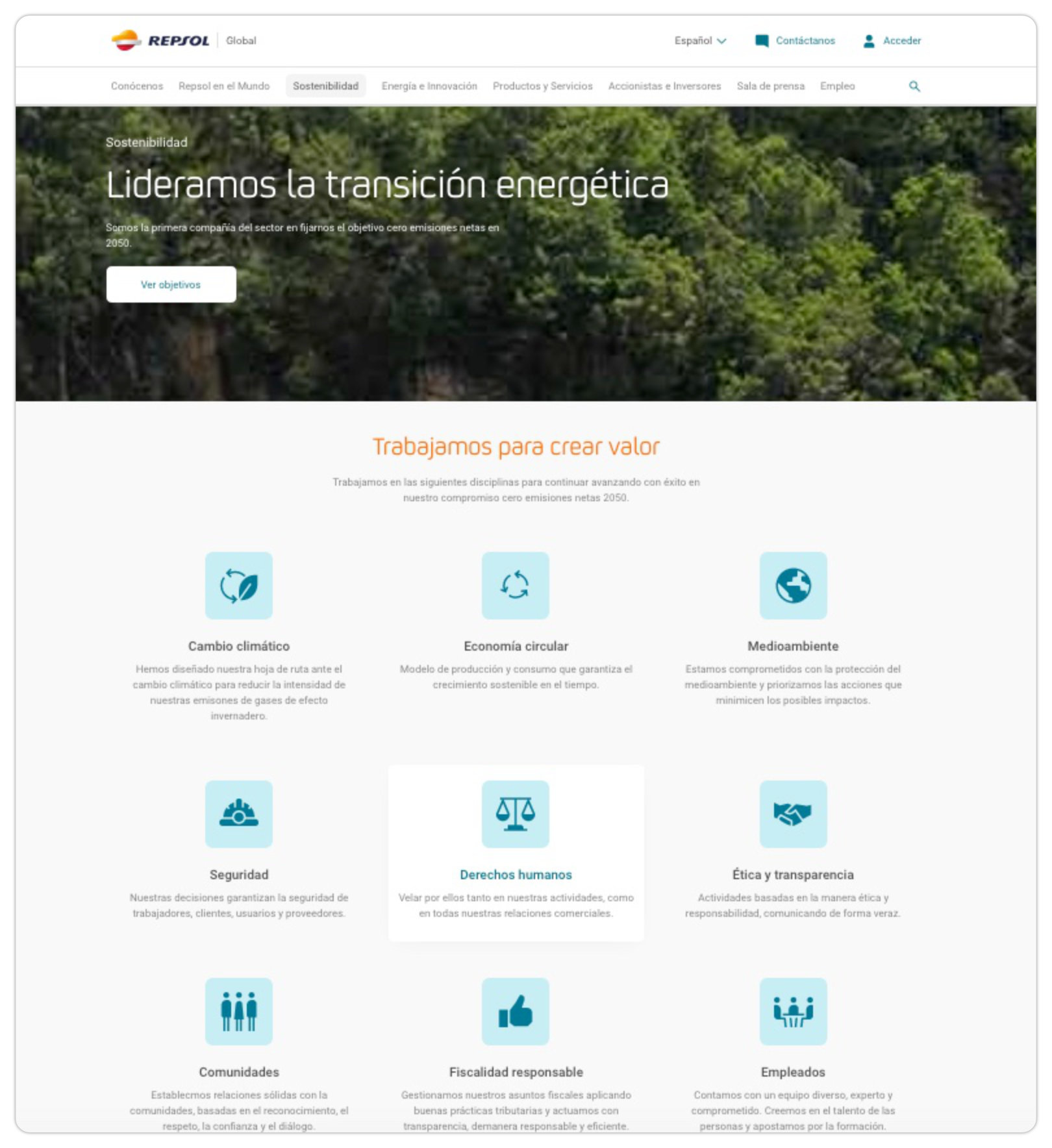
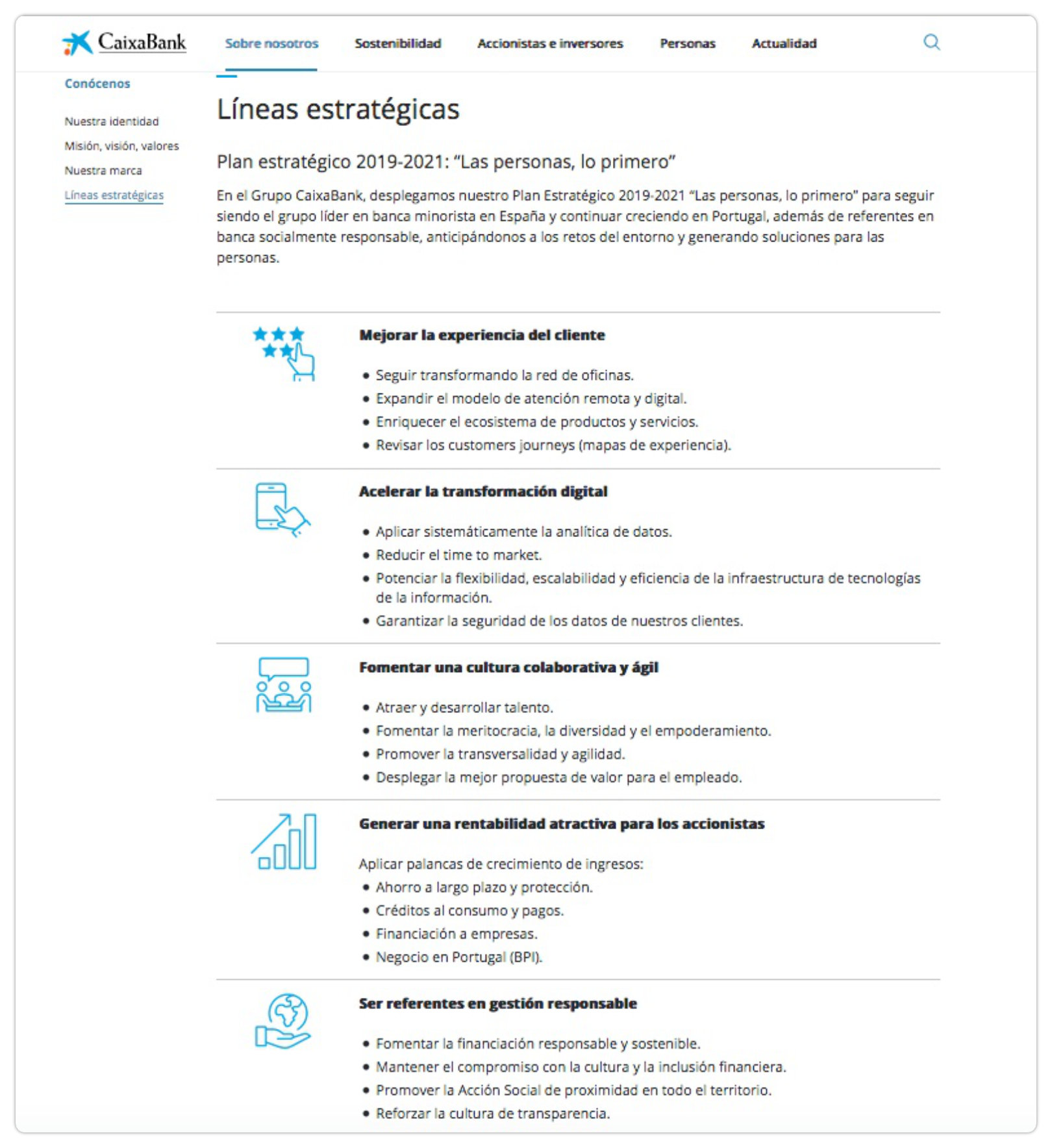
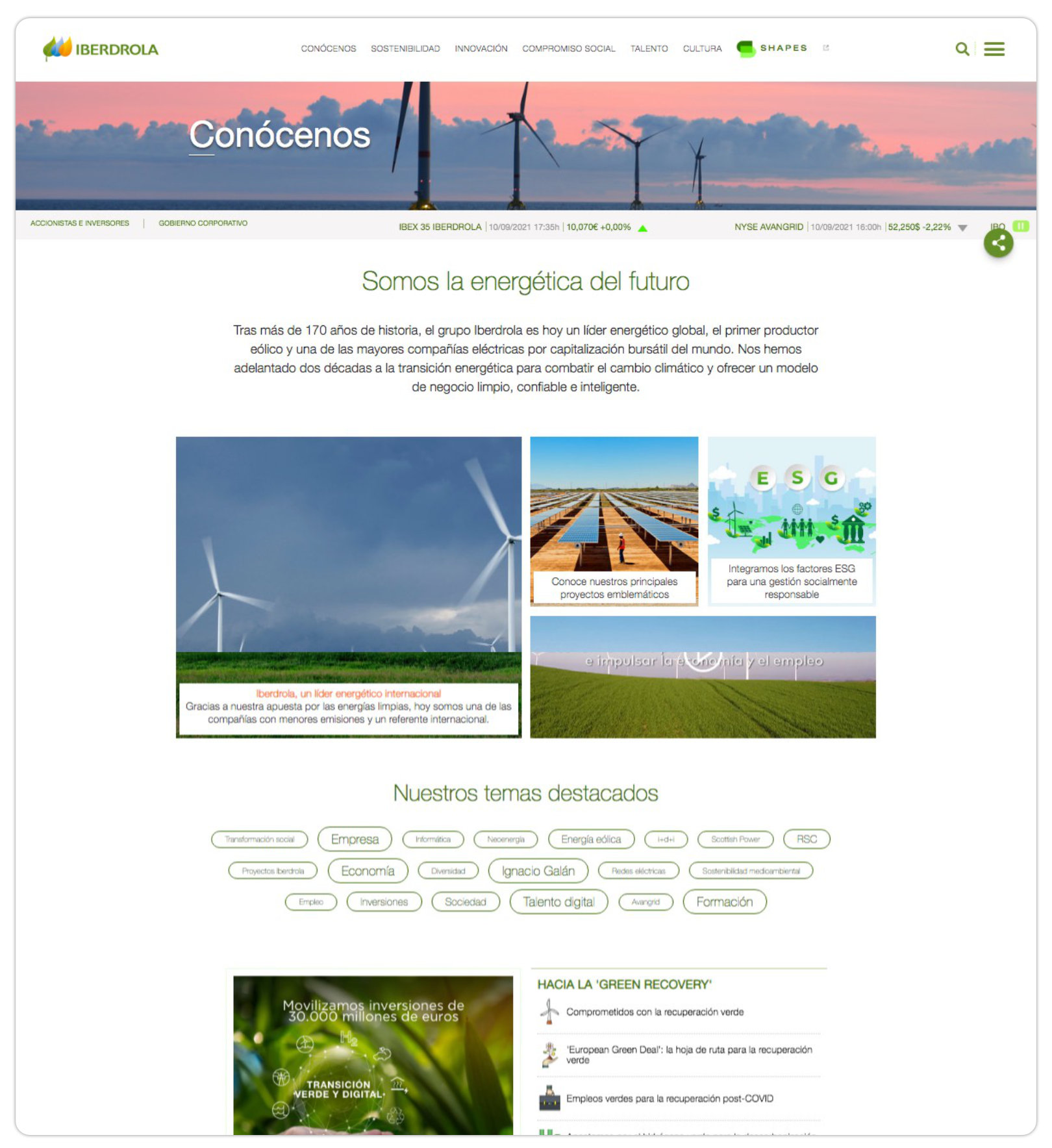
It is enough to browse their shareholder and investor websites for a few minutes to quickly identify an advanced level in their practice, even above some of those that appear in the mentioned ranking. These are not only reference cases in how to explain strategic initiatives digitally in a context of the company's long-term vision and mission, but, in addition, some of them lead the international discourse on sustainability or the transformation of their business towards the generation of renewable energy. They are strategies that convey a clear intention to respond to responsible objectives in meeting investor expectations, to use digital media to boost corporate reputation, and to obtain a greater reach of the central message of their communication strategy.
Can this situation be extrapolated to the rest of the domestic market? We think not, just as it cannot be done in the rest of the European markets where the landscape is also heterogeneous. At the beginning of 2020, Sigma Rocket carried out a study to assess the development of the Investor Relations policies of the Spanish listed company, taking into account three core aspects: Equity Story, the quarterly results report and the shareholder and investor web space. Of the three elements, it is the web space in which the market as a whole obtained a better rating. In our opinion, more than 85% of the Continuous Market had a web space with a satisfactory architecture and navigation, while 55% offered enough content to obtain a positive consultation experience. This last percentage was conditioned by low levels of availability and development of the Equity Story, as well as the production of what we can consider a full quarterly earnings report.
We believe that for every company, the key is to define its own roadmap to incorporate tools and initiatives into its digital agenda so that within a reasonable period of time, its audience of investors and analysts will find a satisfactory information consultation experience in the digital media applied by the company, especially in this post-pandemic environment where virtual meetings, webcasts or the use of video will be increasingly frequent in the execution of the Investor Relations strategy.
-
Francisco Blanco Bermúdez
Founding partner of Sigma Rocket